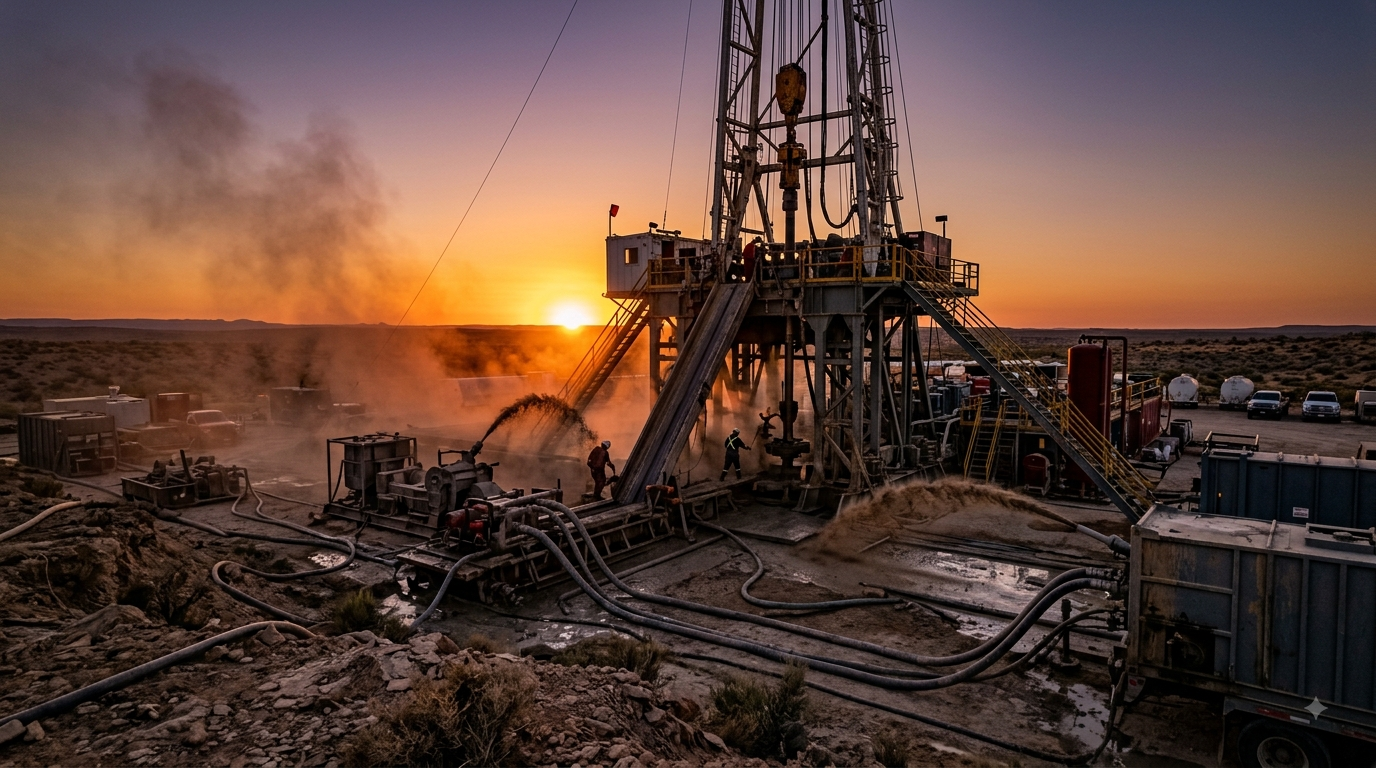
High Non-Productive Time (NPT) caused by frequent bit trips in hard, abrasive rock layers drains drilling budgets rapidly. Implementing effective strategies to boost ROP and extend bit life in hard formations is essential for operators managing deep geothermal wells, oil and gas formations, or mining projects. Achieving maximum drilling efficiency requires controlling three key parameters: mechanical drilling parameters, hydraulic horsepower, and cutting element metallurgy.
When drilling through high-compressive-strength rock (exceeding 20,000 PSI), traditional cutting elements suffer from micro-chipping, thermal degradation, and cutter balling. The following five field-proven strategies help mitigate these issues.
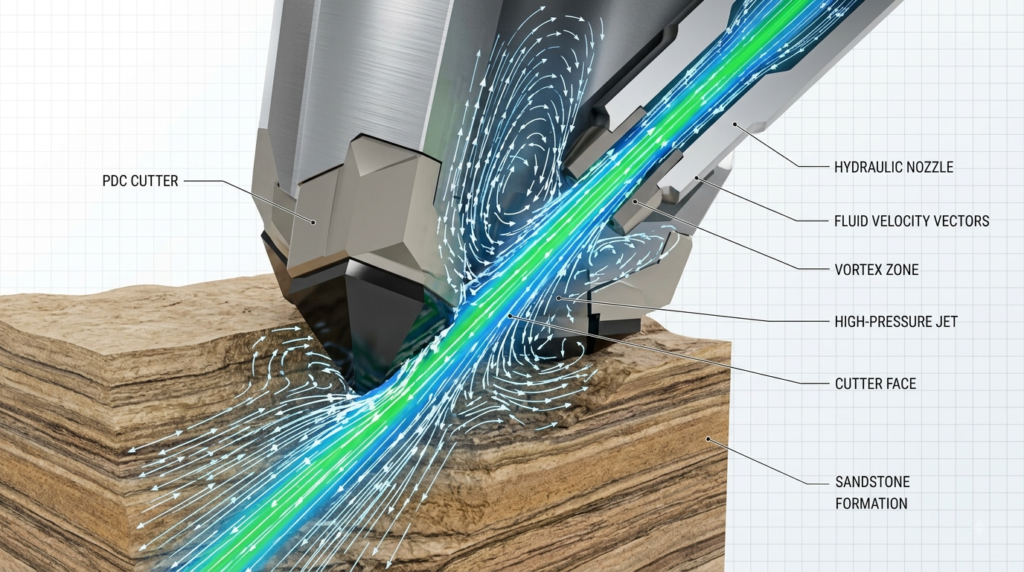
1. Optimize Hydraulic Horsepower per Square Inch (HSI)
Inadequate bottom-hole cleaning causes rock flour to be re-crushed repeatedly, drastically reducing penetration rates and accelerating cutter abrasion.
- Target an HSI between 3.0 and 5.0 HP/sq in for hard rock formations.
- Configure jet nozzles to create cross-flow hydraulics across the bit face to sweep cuttings away instantly.
2. Implement Controlled Bit Break-In Protocols
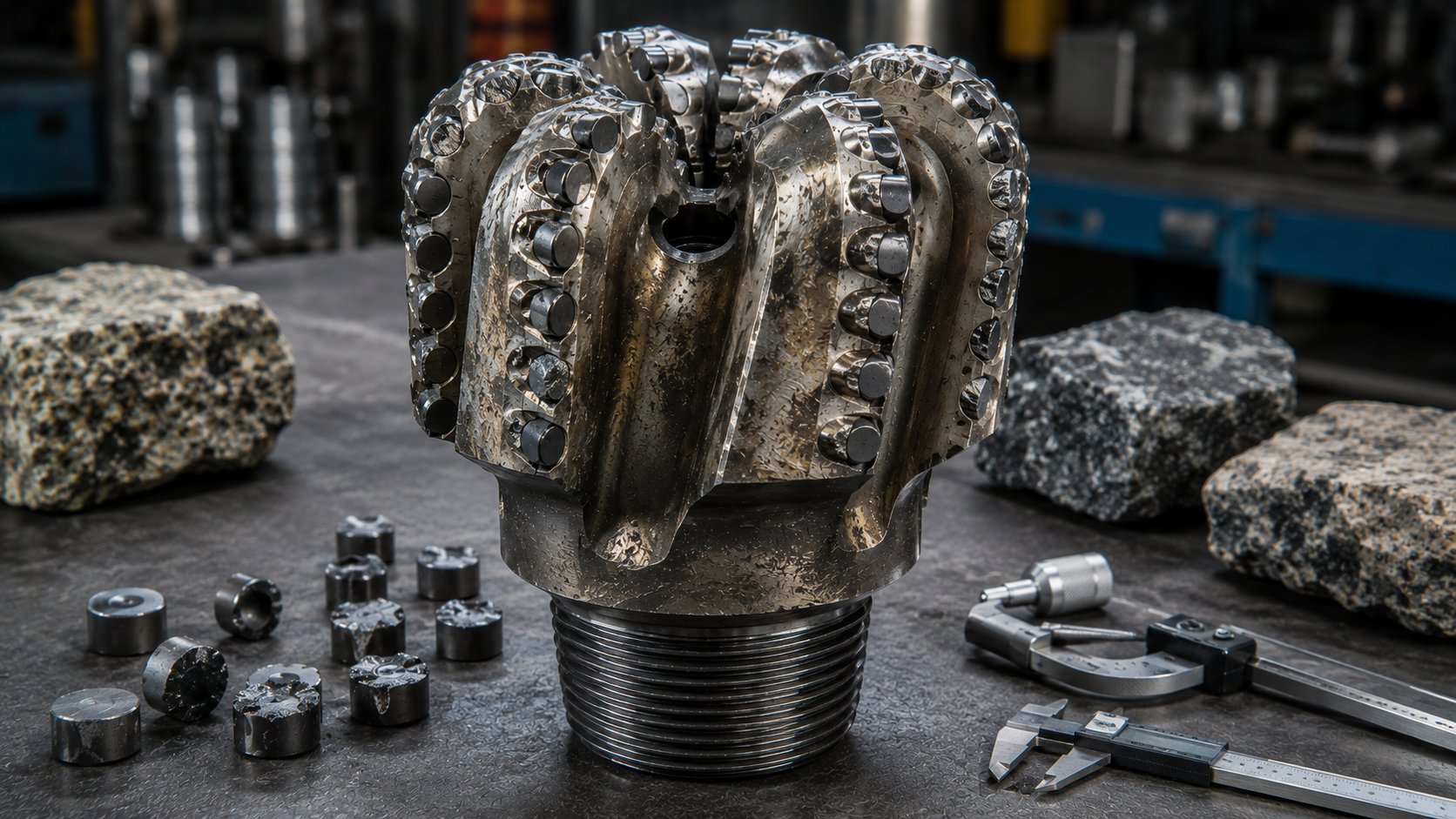
New TCI and PDC bits must undergo a formal break-in period when contacting the bottom hole to form a smooth cutting pattern.
- Run the bit at 50% of target WOB and 50% of target RPM for the first 15 to 30 minutes.
- Gradually increase parameters to operating limits after the cutter profile has established uniform contact with the rock face.
3. Manage Stick-Slip Vibrations with Dynamic Parameter Tuning
Dynamic torque fluctuations cause PDC cutters to bounce and impact the rock face violently, resulting in premature cutter loss.
- Use downhole vibration sensors or top-drive monitoring to identify torsional resonance.
- If stick-slip occurs, increase RPM by 10–15% while reducing WOB by 10% to re-stabilize the drilling assembly.
4. Select Optimized Hardfacing and Gauge Protection
Abrasive sandstones strip shirttail metal, leading to seal failure and cutter loss long before the cutting structure itself wears out.
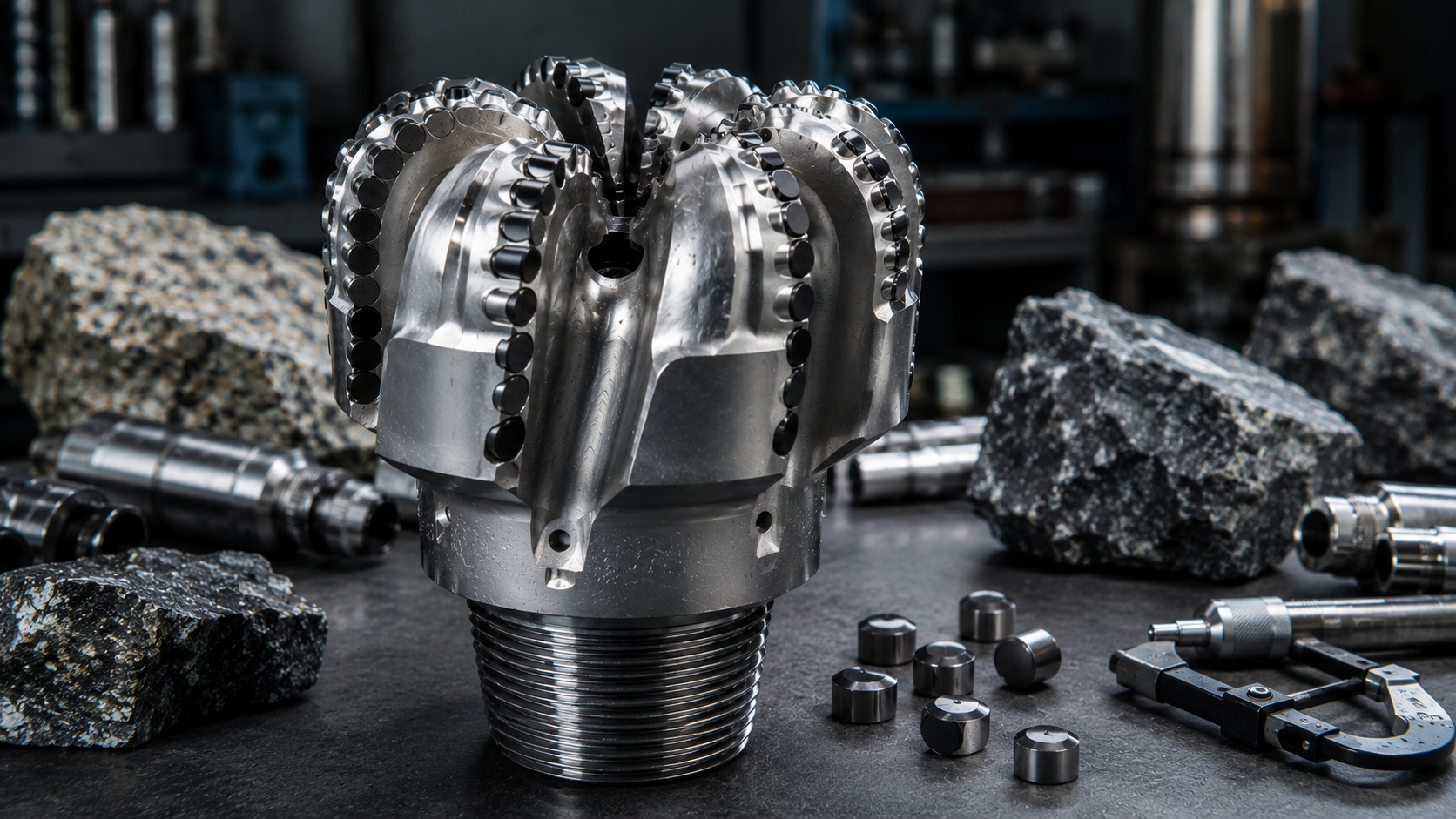
- Ensure bits feature full tungsten carbide hardfacing on legs, shirttails, and matrix pads.
5. Match Hydraulic Parameters to Bit Design
| Parameter | Soft Formations | Hard & Interbedded Formations | Extremely Abrasive Rock |
| Weight on Bit (WOB) | 1,000 – 3,000 lbs/in | 3,000 – 5,000 lbs/in | 4,000 – 6,000 lbs/in |
| Rotary Speed (RPM) | 120 – 200 RPM | 70 – 120 RPM | 50 – 90 RPM |
| Target HSI | 2.0 – 3.5 HP/in² | 3.5 – 5.0 HP/in² | 4.5 – 6.0 HP/in² |
| Flow Rate (GPM) | High (Max Hole Cleaning) | Medium-High | High (Cooling & Flushing) |
By aligning operating parameters with customized bit structures, operators can extend bit life downhole by over 35%. To discuss your upcoming field projects with our drilling specialists, get in touch with us today.
Lilin Bit leverages over two decades of metallurgical research to deliver field-ready drilling solutions worldwide. Learn more about our technical heritage on our about us page.