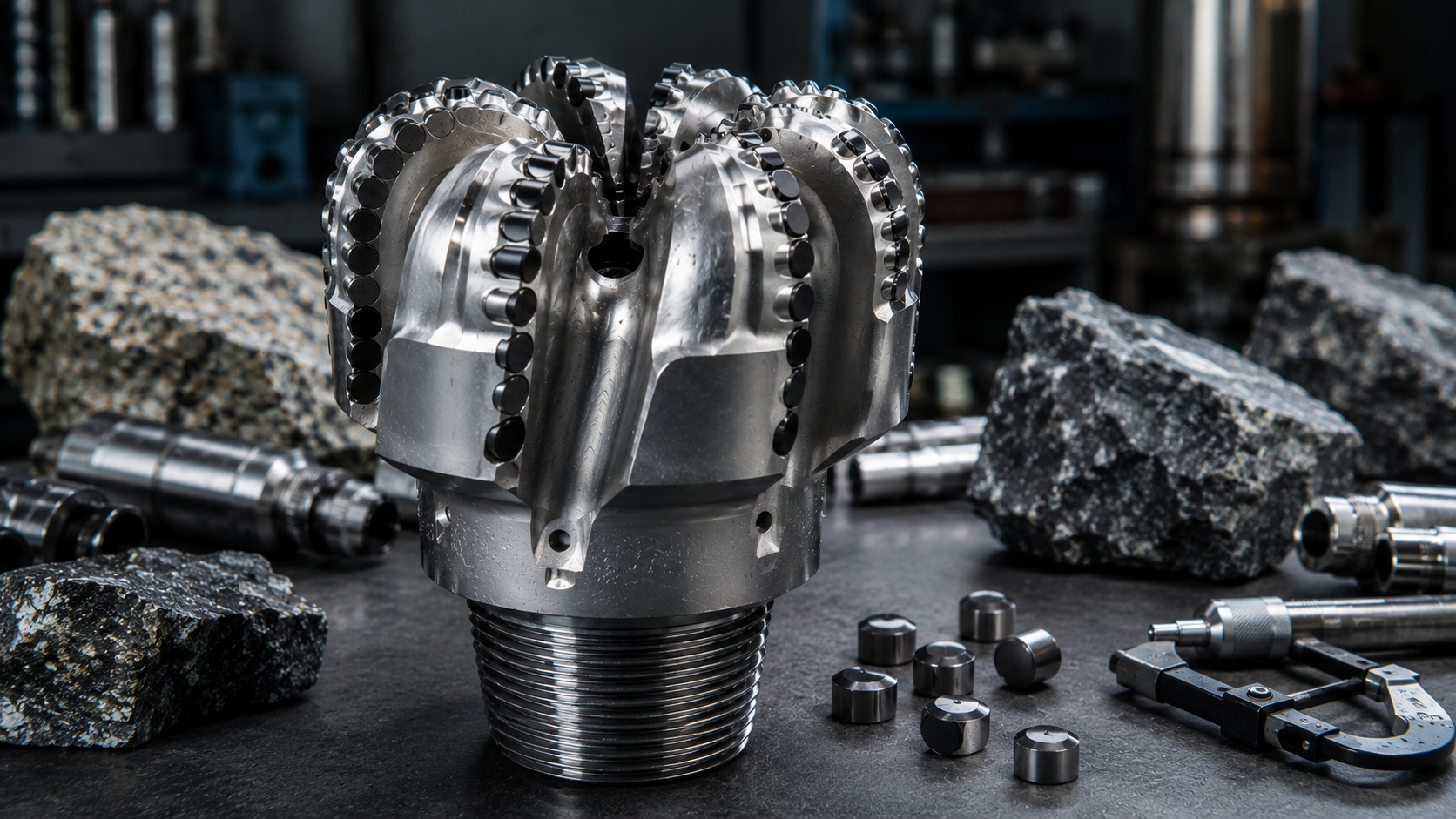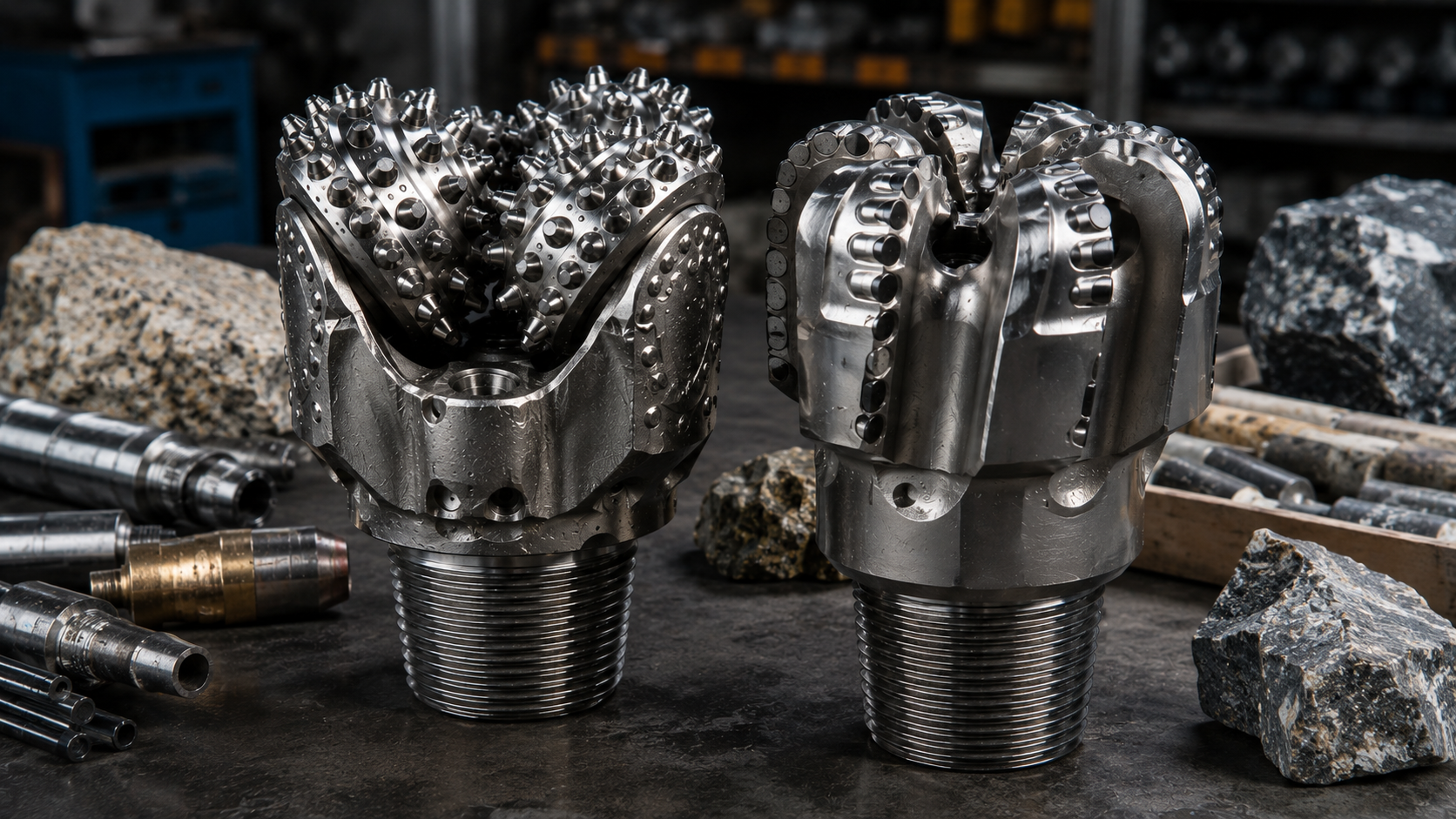
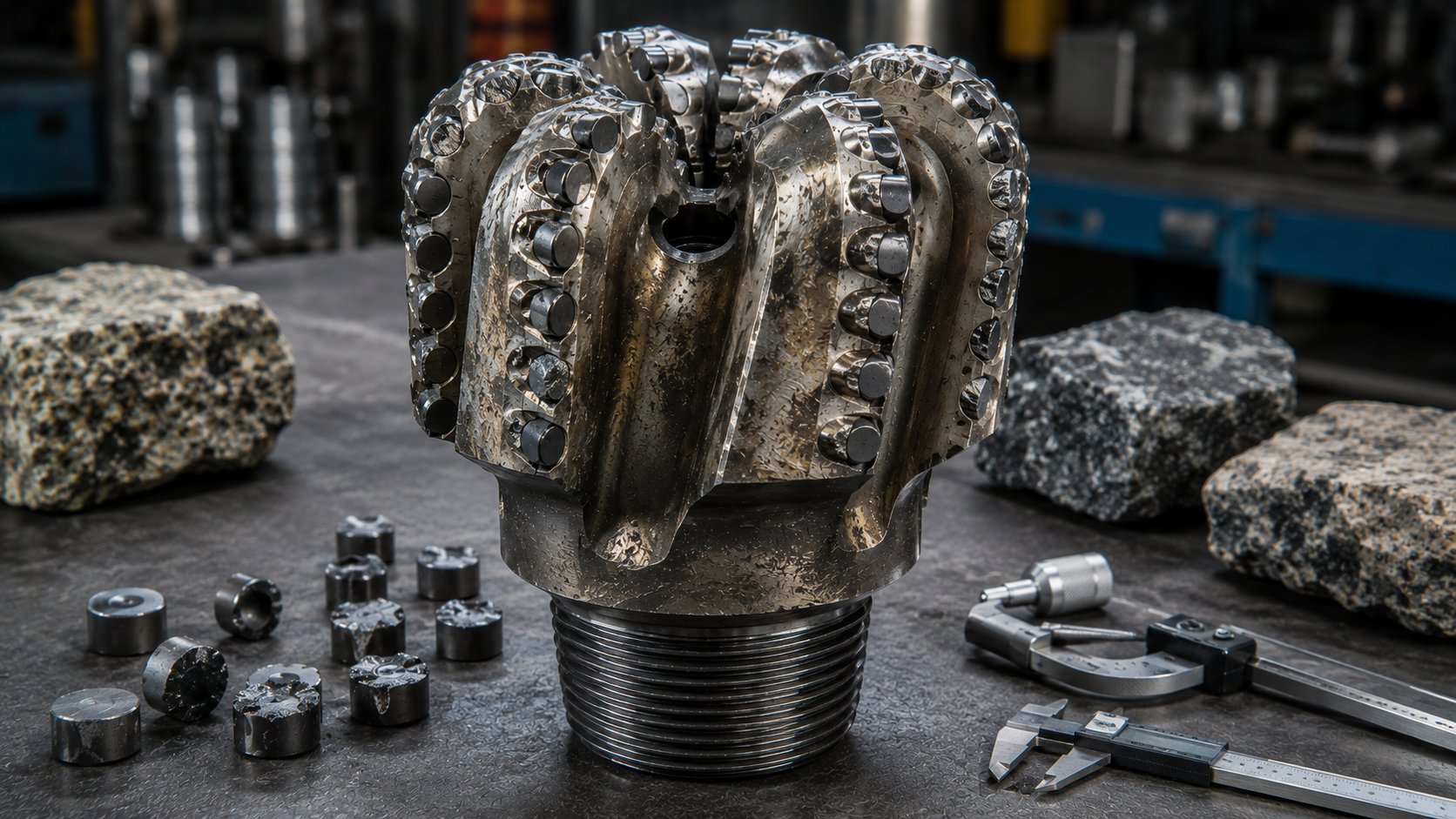
A PDC Bit does not always come out of the hole in the same condition in which it went in. Cutter wear, chipped cutters, broken cutters, gauge wear and other damage can reveal how the bit interacted with the formation during drilling.
This is where PDC bit dull grading becomes important. Instead of simply recording that a bit was “worn out,” a structured dull evaluation provides a more useful description of what happened to the cutting structure and why the bit was pulled.
For drilling engineers, contractors and procurement teams, understanding dull grading is especially valuable because the information from one bit can be used to improve the design, selection and operating strategy of the next bit.
- What Is PDC Bit Dull Grading?
- Why Is PDC Bit Dull Grading Important?
- What Is the IADC Dull Grading System for PDC Bits?
- How Do You Evaluate Inner and Outer Cutter Wear?
- How Do You Record PDC Cutter Damage and Dull Characteristics?
- What Do Common PDC Bit Dull Conditions Mean?
- How Does Dull Grading Help Improve the Next PDC Bit?
- How Should a PDC Bit Be Evaluated After Pulling?
- FAQ About PDC Bit Dull Grading
- Conclusion
1. What Is PDC Bit Dull Grading?
When a PDC Bit returns to the surface, simply saying “the cutters were worn” does not provide enough engineering information. The drilling team needs to know how much wear occurred, where the wear occurred and whether the damage was normal or abnormal.
What Does “Dull” Mean?
In drilling terminology, a dull bit is one whose cutting structure has undergone wear or damage during drilling. The term does not necessarily mean that the bit failed. A bit may be pulled because it reached the planned section, because performance declined, or because a specific wear mechanism made further drilling uneconomic.
Why Is Dull Grading More Useful Than a Simple Wear Description?
A statement such as “moderate cutter wear” is subjective and difficult to compare between different runs. A structured grading method creates a more consistent record that can be compared with drilling footage, ROP, operating parameters and formation conditions.
This makes the dull record useful not only for documenting the old bit but also for deciding what should change on the next PDC Bit.
2. Why Is PDC Bit Dull Grading Important?
A new PDC Bit specification tells you how the bit was designed. The dull condition tells you how that design actually behaved in the formation. Without the second piece of information, future bit selection becomes much more difficult.
How Does Dull Grading Help Drilling Engineers?
When dull condition is compared with drilling parameters, the team can determine whether the bit was underloaded, overloaded, exposed to excessive vibration or simply operating in a highly abrasive formation.
How Does Dull Grading Help Procurement Teams?
Procurement decisions should not depend only on the purchase price of a PDC Bit. A bit that consistently reaches the target interval with a controlled wear pattern may provide more useful value than a cheaper bit that requires frequent replacement.
Why Is Historical Dull Data Valuable?
A series of dull records can reveal patterns. If multiple bits show similar cutter damage in the same formation, the drilling team has stronger evidence that the bit design or operating strategy should be changed.
| Information | What It Can Tell You |
|---|---|
| Bit footage | How far the bit drilled before being pulled |
| ROP | How efficiently the formation was penetrated |
| Dull condition | How the cutting structure wore or failed |
| WOB / RPM | How the bit was operated |
| Formation information | What geological conditions the bit encountered |
| Pulling reason | Why the bit was removed from service |
3. What Is the IADC Dull Grading System for PDC Bits?
The phrase “IADC PDC grading” is commonly used when discussing bit dull condition. However, it is important to understand what the IADC system is actually being used for.
What Information Does a Dull Grade Capture?
A dull record can include information about the condition of the cutting structure, the location of wear and damage, and other observable characteristics of the bit after drilling. The exact reporting format should follow the applicable IADC dull grading practice used by the drilling team or operator.
Why Should You Not Treat IADC Dull Grading as a PDC Bit Quality Score?
A dull grade does not mean that one manufacturer or bit is automatically better than another. The same bit design can experience different dull conditions when drilling different formations or operating under different parameters.
The value of dull grading is therefore in describing and comparing actual bit condition, not assigning a simple commercial score to the bit.
| Concept | Purpose |
|---|---|
| New PDC Bit design | Defines how the bit is engineered before drilling |
| Formation data | Describes the environment in which the bit will operate |
| Drilling parameters | Describe how the bit is operated |
| IADC dull grading | Describes the condition of the bit after drilling |
| Post-run analysis | Connects dull condition with drilling performance and future selection |
4. How Do You Evaluate Inner and Outer Cutter Wear?
One of the most useful parts of PDC bit dull grading is understanding where wear occurs. The cutting structure is not loaded equally across the entire bit face, so the location of wear can reveal important information about bit behavior.
Inner Cutter Wear
The inner portion of the bit interacts with the formation closer to the center of the hole. Wear in this region can be influenced by cutter placement, local loading, formation properties and drilling dynamics.
Outer Cutter Wear
The outer region of the bit often has an important role in maintaining hole diameter. Wear here can therefore become especially significant when gauge preservation is important.
Why Does the Wear Distribution Matter?
Imagine two PDC Bits that both drilled the same nominal footage. If one shows relatively uniform cutter wear while the other shows concentrated damage in a specific region, the engineering conclusions may be very different.
| Wear Location | What to Investigate |
|---|---|
| Inner cutting structure | Cutter loading, central profile, formation interaction and local wear |
| Middle cutting structure | Load distribution and cutter engagement across the main profile |
| Outer cutting structure | Gauge behavior, outer cutter wear and lateral dynamics |
| Gauge area | Hole-size maintenance and abrasive wear |
For this reason, dull grading should not be reduced to one overall number. The location of the wear can be as important as the amount of wear.
5. How Do You Record PDC Cutter Damage and Dull Characteristics?
Not all cutter damage means the same thing. A worn cutter, a chipped cutter and a completely broken cutter represent different failure mechanisms and should be distinguished during post-run inspection.
Cutter Wear
Normal cutter wear gradually reduces the effective cutting edge. The rate and distribution of wear can provide information about formation abrasiveness and cutter loading.
Chipped Cutters
A chipped cutter has experienced localized damage to the cutting edge. This can indicate mechanical impact, unsuitable cutter loading or other drilling dynamics depending on the specific application.
Broken Cutters
A broken cutter represents a more severe form of mechanical damage. When multiple broken cutters appear in a localized area, the drilling team should investigate impact and vibration conditions rather than assuming simple abrasive wear.
Gauge Wear
Gauge wear describes wear around the outer diameter of the bit. Excessive gauge wear can affect hole-size control and bit stability.
Other Observable Conditions
The final dull record may also include other visible conditions relevant to the bit design, such as damaged blades or characteristics associated with the reason the bit was pulled. The exact record should follow the applicable reporting standard and the operator’s drilling-data requirements.
| Dull Characteristic | Typical Engineering Question |
|---|---|
| Normal cutter wear | Is the cutter wearing at an expected rate for the formation? |
| Chipped cutter | Was there localized impact or excessive mechanical loading? |
| Broken cutter | Was the cutter exposed to severe impact, vibration or overload? |
| Gauge wear | Is the outer diameter being preserved effectively? |
| Blade damage | Was the bit exposed to unusual mechanical loading? |
6. What Do Common PDC Bit Dull Conditions Mean?
Reading a dull condition correctly is more important than simply recording it. The same visible damage can have different causes depending on formation, drilling parameters and bit design.
Heavy Abrasive Wear
A broad pattern of cutter wear may indicate strong abrasive interaction with the formation. If the bit still drilled efficiently and the wear was relatively uniform, the condition may represent progressive wear rather than sudden failure.
Impact Damage
Broken or heavily chipped cutters can indicate impact loading. The drilling team should review vibration, formation fractures, interbedding and operating conditions to determine why the impact occurred.
Localized Cutter Damage
Damage concentrated in one area can suggest uneven cutter loading or a localized drilling dynamic. The bit profile, cutter placement and formation characteristics should be reviewed together.
Gauge Wear
Severe gauge wear can affect hole-size control and may indicate that the outer part of the cutting structure encountered particularly abrasive conditions.
| Dull Condition | Possible Interpretation | What to Review |
|---|---|---|
| Uniform cutter wear | Progressive abrasive or mechanical wear | Formation abrasiveness, cutter design and footage |
| Chipped cutters | Localized mechanical damage | Impact, vibration and formation changes |
| Broken cutters | Severe mechanical loading | Shock, vibration, overload and fractured formation |
| Outer cutter wear | Higher wear around the outer profile | Gauge, lateral dynamics and abrasiveness |
| Gauge wear | Loss of outer-diameter material | Abrasive formation and gauge protection |
These interpretations are engineering considerations rather than automatic diagnoses. The actual cause should be confirmed using the complete drilling record and physical inspection of the bit.
7. How Does Dull Grading Help Improve the Next PDC Bit?
The greatest value of dull grading appears when the information is used to improve the next PDC Bit. A post-run report should not simply be archived. It should be connected to the next bit-selection decision.
When Cutters Wear Too Quickly
If excessive abrasive wear is observed before the planned section is complete, the next design may require greater attention to cutter wear resistance, cutter distribution or operating conditions.
When Cutters Break
Repeated cutter breakage should trigger an investigation into impact, vibration, formation fractures and drilling parameters. Simply installing more cutters may not solve the underlying problem.
When Gauge Wear Is Excessive
If the outer diameter wears rapidly, gauge protection and the interaction between the bit and formation should be reviewed. The objective is to preserve hole size while maintaining useful cutting efficiency.
When Wear Is Controlled
A controlled and predictable wear pattern can be valuable evidence that the bit design is well matched to the application. The same design may then be considered for similar formation intervals, subject to comparable drilling conditions.
Post-Run Optimization Process
1. Record footage and ROP
2. Record WOB, RPM and hydraulic conditions
3. Inspect the pulled PDC Bit
4. Record cutter wear and damage
5. Identify the dominant dull characteristics
6. Compare dull condition with formation information
7. Adjust the next bit design or operating strategy
8. Compare the next run with the previous run
8. How Should a PDC Bit Be Evaluated After Pulling?
A proper post-run inspection should be systematic. Looking at the bit for a few seconds and deciding that it is “worn” does not provide enough information for future engineering decisions.
Step 1: Clean and Inspect the Bit
Remove drilling debris sufficiently to make the cutters, blades and gauge areas visible. The objective is to distinguish actual wear or damage from material that is simply stuck to the bit.
Step 2: Examine the Cutting Structure
Inspect cutters across the inner, middle and outer areas. Look for progressive wear, chipped cutters, broken cutters and unusual localized damage.
Step 3: Examine the Gauge
Check whether the outer diameter remains consistent with the intended hole size. Gauge condition should be recorded because excessive gauge wear can influence subsequent drilling behavior.
Step 4: Review the Drilling Record
Compare the physical condition with footage, ROP, WOB, RPM, hydraulic performance, vibration indicators and known formation changes.
Step 5: Determine the Pulling Reason
The reason the bit was pulled should be explicitly recorded. A bit pulled because the planned interval was completed is different from a bit pulled because of severe cutter damage.
| Inspection Area | What to Record |
|---|---|
| Cutters | Wear, chipping, breakage and distribution of damage |
| Bit face | Localized or uneven wear patterns |
| Gauge | Condition of the outer diameter and gauge protection |
| Blades / body | Visible structural damage or abnormal wear |
| Drilling data | ROP, footage, WOB, RPM and hydraulic conditions |
| Pulling reason | Planned trip, performance decline, damage or other operational reason |
This creates a complete record that can be used when selecting the next PDC Bit.
9. FAQ About PDC Bit Dull Grading
What is PDC Bit dull grading?
PDC bit dull grading is a structured method for documenting the condition of a used PDC Bit after a drilling run. It records wear and damage characteristics so the drilling team can analyze actual bit performance.
What does IADC dull grading mean?
IADC dull grading refers to a standardized approach for describing the condition of a drill bit after drilling. It provides a common framework for reporting wear and damage characteristics.
Is IADC dull grading the same as the PDC Bit selection classification?
No. PDC bit selection describes what bit should be used for a drilling application, while dull grading describes what happened to a bit after it was used. The two processes are related but serve different purposes.
Why are inner and outer cutter wear evaluated separately?
Because the cutters do not all experience identical loading. The location of wear can reveal information about cutter distribution, bit profile, gauge behavior, formation interaction and drilling dynamics.
What does a broken PDC cutter indicate?
A broken cutter indicates severe localized damage, but the exact cause cannot be determined from the broken cutter alone. Impact, vibration, formation fractures, excessive mechanical loading and other conditions should be investigated using the complete drilling record.
Does a high dull grade mean a poor PDC Bit?
Not automatically. The meaning of a dull condition depends on footage drilled, formation, drilling parameters and why the bit was pulled. A bit that reaches its planned section with predictable wear may provide useful performance even though it is visibly dull.
How can dull grading improve the next PDC Bit?
The dull record can identify which areas of the cutting structure need improvement. The next PDC Bit may then be adjusted in terms of cutter design, cutter density, exposure, profile, gauge protection or operating strategy.
10. Conclusion
PDC bit dull grading is much more than a description of how worn a drill bit looks after drilling. Used correctly, it is a practical engineering tool for connecting the condition of a used PDC Bit with the formation, drilling parameters and final drilling performance.
The most important principle is to distinguish between normal wear and abnormal damage. Cutter wear, chipped cutters, broken cutters, outer cutter wear and gauge wear can all provide useful information, but they must be interpreted together with drilling data.
IADC dull grading is especially valuable because it provides a structured way to document the post-run condition of the bit. However, it should not be confused with the engineering classification process used to select a new PDC bit.
For drilling contractors and engineers, the real value comes from using each dull report to improve the next run. When footage, ROP, WOB, RPM, hydraulics, formation information and bit condition are analyzed together, the drilling team can make more informed decisions about cutter design, bit profile, gauge protection and operating strategy.
In practical terms, a used PDC Bit is not simply a worn tool. It is a source of drilling data that can help make the next bit more suitable for the formation.
Need help selecting the right PDC Bit for your formation?
Explore our PDC Bits and Tricone Bits, or CONTACT US with your drilling formation, previous bit footage, drilling parameters and dull condition.