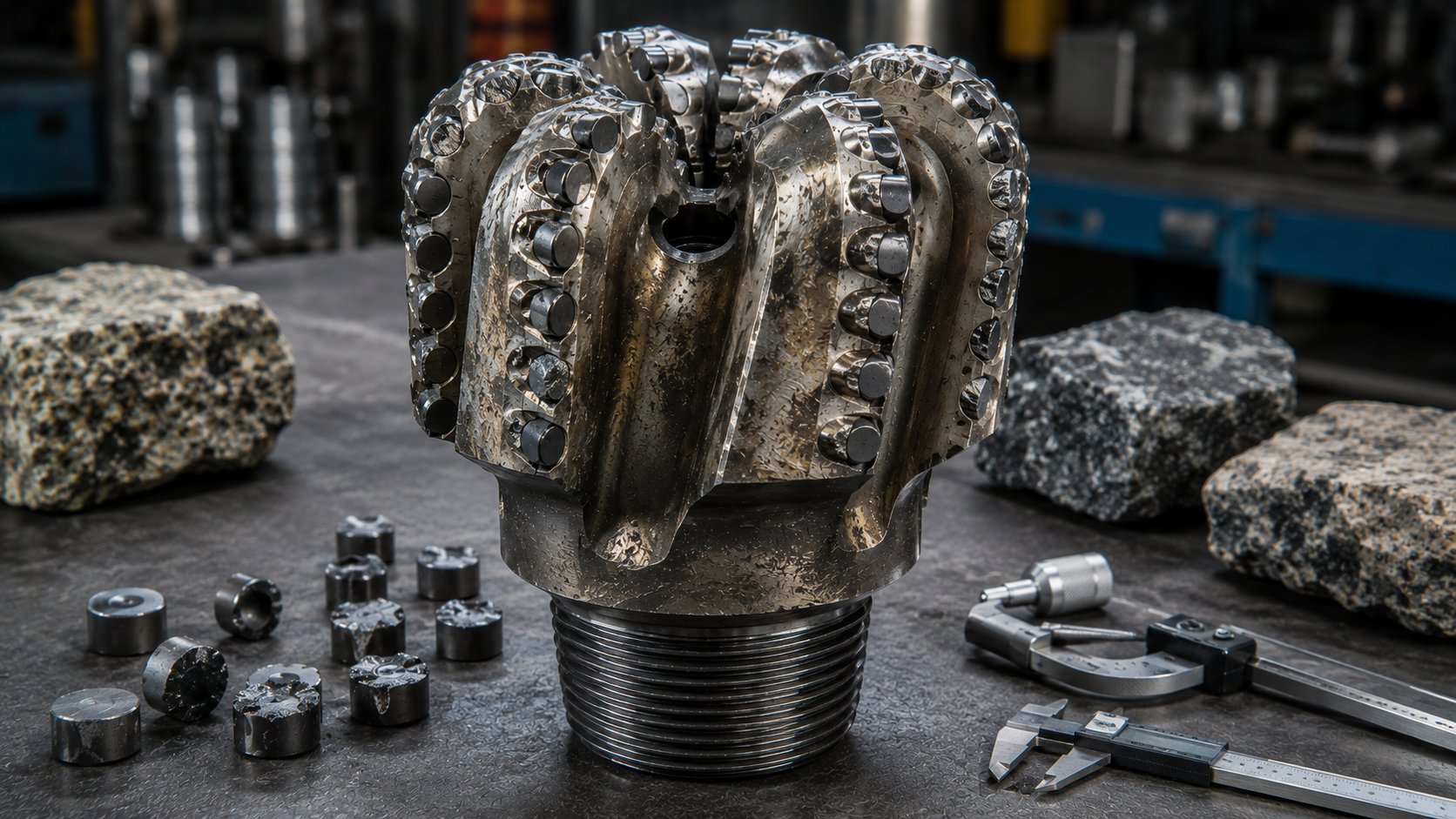
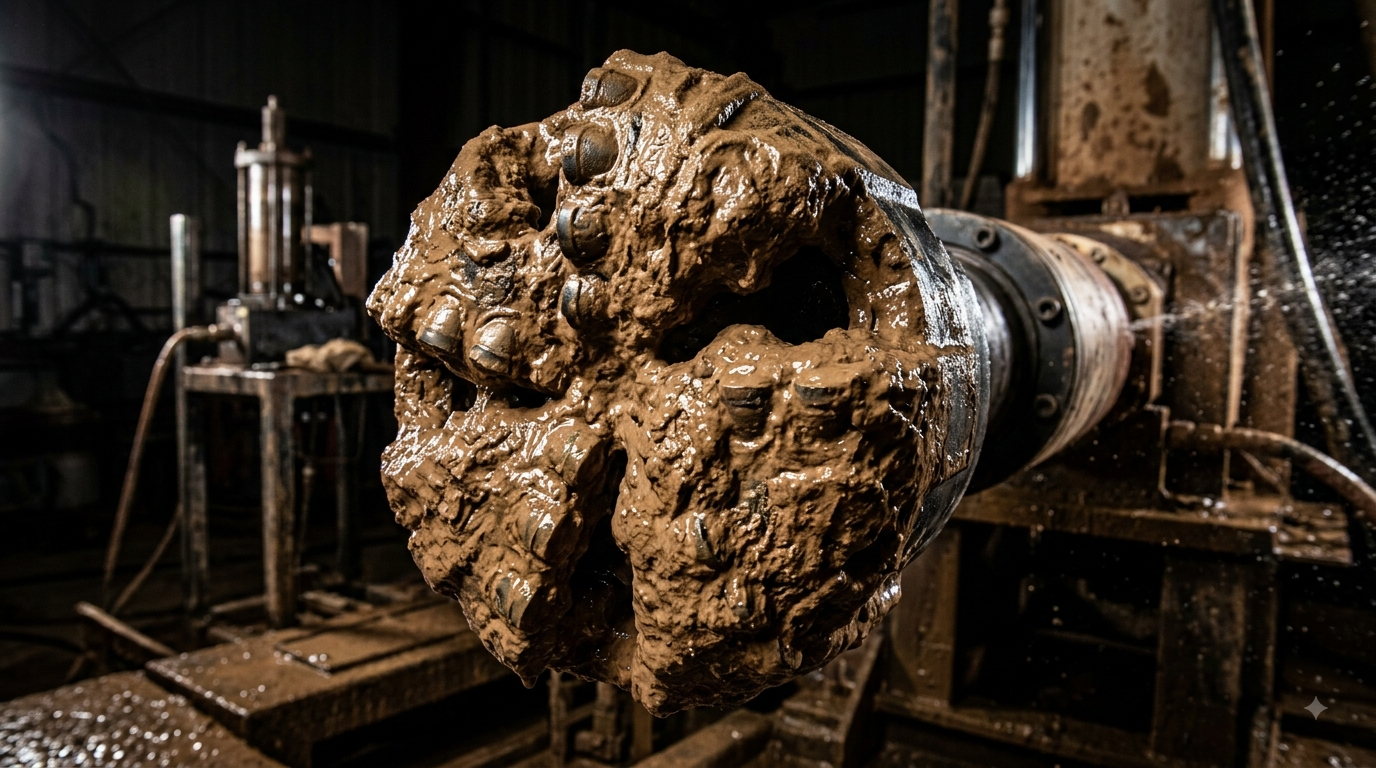
When drilling through hydratable, reactive shales and plastic claystone formations, operators frequently encounter an abrupt collapse in Rate of Penetration (ROP), accompanied by a sharp rise in standpipe pressure and loss of torque. This phenomenon—known as bit balling—occurs when squeezed, sticky clay cuttings pack tightly into the junk slot areas and adhere to cutting elements, completely insulating the bit face from virgin rock.
Left uncorrected, bit balling forces costly wiper trips, accelerates mud motor stall events, and degrades directionality. Overcoming sticky shale challenges requires a dual approach combining mechanical cutter surface treatment with advanced hydraulic flushing dynamics.
The Physics Behind Bit Balling Mechanisms
Bit balling occurs primarily due to two factors:
- Mechanical Packing: High Weight on Bit (WOB) crushes reactive clay into a plastic mass, physically clogging tight nozzle channels and cutter pockets.
- Electrostatic & Hydration Adhesion: Clay minerals (such as montmorillonite/smectite) absorb water from drilling fluid, generating strong capillary forces and surface tension that chemically bond cuttings to steel or tungsten carbide surfaces.
Comprehensive Engineering Comparison: Anti-Balling Solutions
| Solution Category | Mechanism | Implementation Technique | ROP Impact | Secondary Field Benefit |
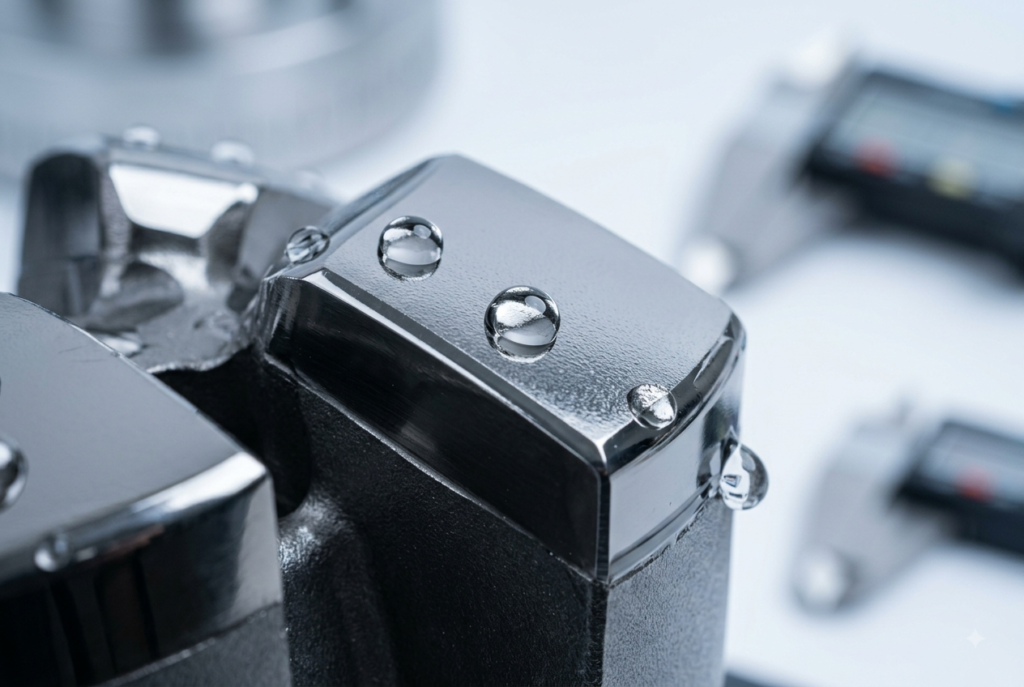
| Polished Diamond Cutters | Reduces friction coefficient on cutter face | Mirror-finish mirror polishing on PDC table | + 25% to 40% | Lowers thermal fatigue |
| Optimized Junk Slot Area (JSA) | Increases physical clearance for cuttings flow | Wide-blade, open parabolic blade design | + 30% | Reduces standpipe pressure |
| Targeted Hydraulic Nozzles | High-velocity fluid sweeps cutter face | Extended nozzles directed at cutter impact zone | + 35% | Prevents mud re-drilling |
| Inhibitive Drilling Muds | Prevents clay hydration & swelling | Glycol / Potassium Chloride (KCl) / OBM | + 20% to 50% | Improves wellbore stability |
| Hydrophobic Blade Coatings | Eliminates chemical adhesion | Proprietary fluoropolymer / Ceramic coatings | + 15% to 25% | Extends bit body life |
Hydraulic Jet Positioning and Nozzle Configurations
Proper hydraulic jetting is the most effective line of defense against cuttings accumulation. Standard center-nozzle configurations often create stagnant flow zones behind bit blades.
To maximize fluid sweeping energy:
- Utilize Extended Jets: Position jet nozzles closer to the bottom-hole pattern and cutter faces to maximize impact force before fluid dissipates.
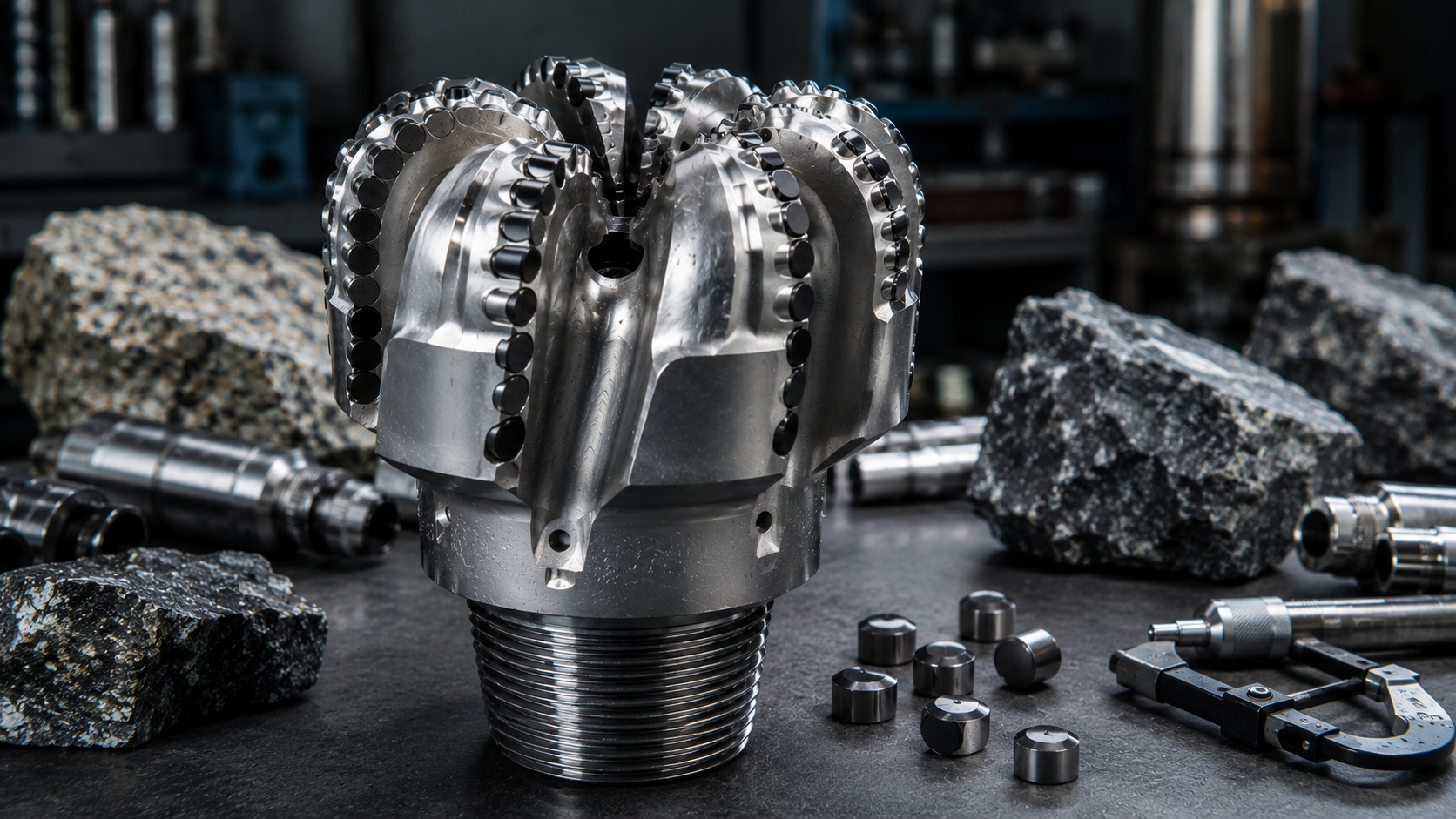
- Maximize Junk Slot Area (JSA): Ensure bit body engineering provides wide, deep waterways between blades to facilitate unimpeded evacuation of sticky cuttings up the annulus.
- Mirror Polished Cutter Faces: Polishing PDC diamond tables to a mirror surface (Ra < 0.05 µm) dramatically lowers surface tension, allowing sticky shale ribbons to slide off seamlessly into the mud stream.
At Lilin Bit, our LS (Speed) series PDC and tricone bits incorporate open-geometry junk slots and high-efficiency hydraulic nozzles engineered specifically to eliminate bit balling in reactive clay strata. Read more about our custom engineering and testing capabilities on our about us page.
Stop letting bit balling drain your drilling budget. Contact us today to request a specialized bit design tailored to your local shale geology.